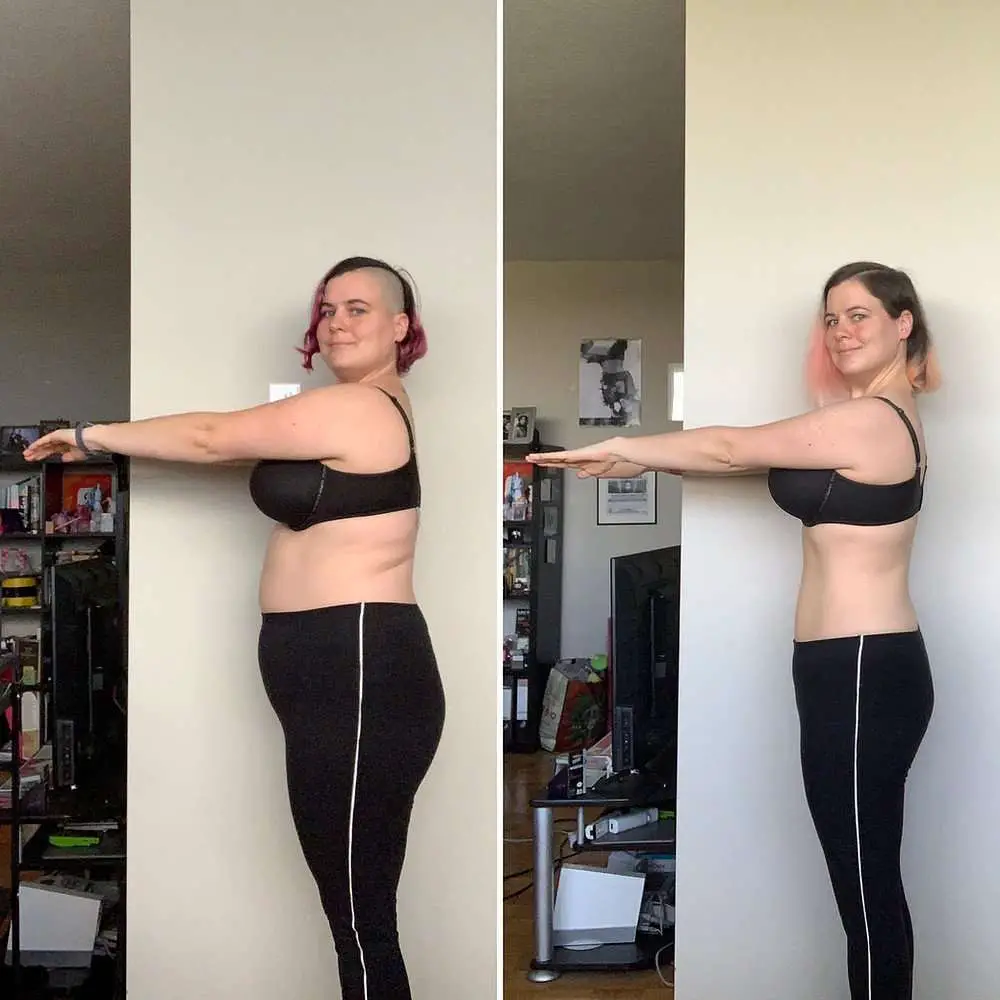
how long before you start losing weight with intermittent fasting Pin on best of the health hour
Are you tired of trying every diet under the sun, only to find out that none of them are helping you shed those extra pounds? Well, it might be time to give intermittent fasting a try. Intermittent fasting has been gaining popularity in recent years as an effective way to lose weight and improve overall health. However, despite its numerous benefits, it is possible to not see the scale budge even when practicing intermittent fasting. Here are 11 reasons you might not be losing weight on intermittent fasting and what you can do about it.
- Not Eating Enough
Although intermittent fasting requires you to restrict your eating window, it is crucial to make sure you are consuming enough calories during that time. If you’re not eating enough, your body may go into starvation mode and hold on to every calorie, making weight loss difficult. Make sure you’re nourishing your body with balanced meals during your eating window.
 2. Poor Food Choices
Intermittent fasting isn’t a free pass to eat junk food during your eating window. If you’re indulging in unhealthy, high-calorie foods, it can hinder your weight loss efforts. Stick to whole, nutrient-dense foods like fruits, vegetables, lean proteins, and healthy fats for optimal results.
 3. Overeating During Eating Window
While it’s essential to eat enough calories, it’s equally crucial not to overeat during your eating window. Excessive calorie consumption can hinder weight loss progress. Practice portion control and listen to your body’s hunger and fullness cues to avoid overindulging.
- Lack of Sleep
Sleep is often overlooked when discussing weight loss, but it plays a significant role in regulating your metabolism and appetite. Inadequate sleep can disrupt your hormonal balance, leading to increased hunger and cravings. Aim for seven to nine hours of quality sleep each night to support your weight loss goals.
- Stress and Emotional Eating
Stress and emotional eating can sabotage your weight loss efforts. Many people turn to food for comfort during stressful times, leading to overeating and weight gain. Find healthy ways to manage stress, such as meditation, exercise, or talking to a therapist, to avoid emotional eating.
- Lack of Physical Activity
Intermittent fasting alone may not be enough to promote weight loss if you’re leading a sedentary lifestyle. Regular exercise is essential for burning calories, increasing metabolism, and building lean muscle mass. Incorporate both cardio and strength training exercises into your routine to maximize weight loss.
- Medical Conditions
If you’ve tried everything and still can’t lose weight on intermittent fasting, it might be worth visiting a healthcare professional. Certain medical conditions, such as hypothyroidism or polycystic ovary syndrome (PCOS), can make weight loss challenging. A healthcare provider can help diagnose and manage any underlying conditions that may be hindering your progress.
- Inconsistent Fasting Schedule
Consistency is key when it comes to intermittent fasting. If you’re not sticking to a regular fasting schedule, it can disrupt your body’s natural rhythm and make weight loss difficult. Choose a fasting method that works for you and stick to it consistently to see the best results.
- Water Retention
It is common to experience water retention and temporary weight fluctuations, especially in women during their menstrual cycle. Keep in mind that the number on the scale doesn’t always reflect true fat loss. Instead, focus on how you feel and other non-scale victories like increased energy and improved mood.
- Alcohol Consumption
Alcohol can be a hidden culprit when it comes to weight loss plateaus. Alcoholic beverages are often high in calories and can lead to overconsumption, making it difficult to maintain a calorie deficit. Limit your alcohol intake or opt for healthier alternatives like herbal tea or infused water.
- Unrealistic Expectations
Last but not least, it’s crucial to set realistic expectations when starting any weight loss journey. Losing weight takes time, and it’s essential to remember that everyone’s body is different. Focus on developing healthy habits and making long-term lifestyle changes rather than obsessing over the number on the scale.
Remember, intermittent fasting can be an effective tool for weight loss. However, it’s essential to consider these factors if you’re not seeing the results you desire. By making necessary adjustments and addressing any underlying issues, you can optimize your intermittent fasting journey and finally achieve your weight loss goals.
If you are looking for How Long Does It Take To Lose Weight Intermittent Fasting - FastingTalk.net you’ve came to the right page. We have 5 Images about How Long Does It Take To Lose Weight Intermittent Fasting - FastingTalk.net like How Long Does It Take To Lose Weight Intermittent Fasting - FastingTalk.net, Pin on How to start losing weight Intermittent fasting and also Pin on Best of The Health Hour. Here it is:
How Long Does It Take To Lose Weight Intermittent Fasting - FastingTalk.net
 www.fastingtalk.netPin On Body, Health, Mind
www.pinterest.comketodietrule ketopbreadrecipe nocarbfoods
11 Reasons You’re Not Losing Weight On Intermittent Fasting
upgradedhealth.netfasting weight losing intermittent reasons
Pin On Best Of The Health Hour
 www.pinterest.comPin On How To Start Losing Weight Intermittent Fasting
 www.pinterest.com11 reasons you’re not losing weight on intermittent fasting. How long does it take to lose weight intermittent fasting. Pin on best of the health hour